


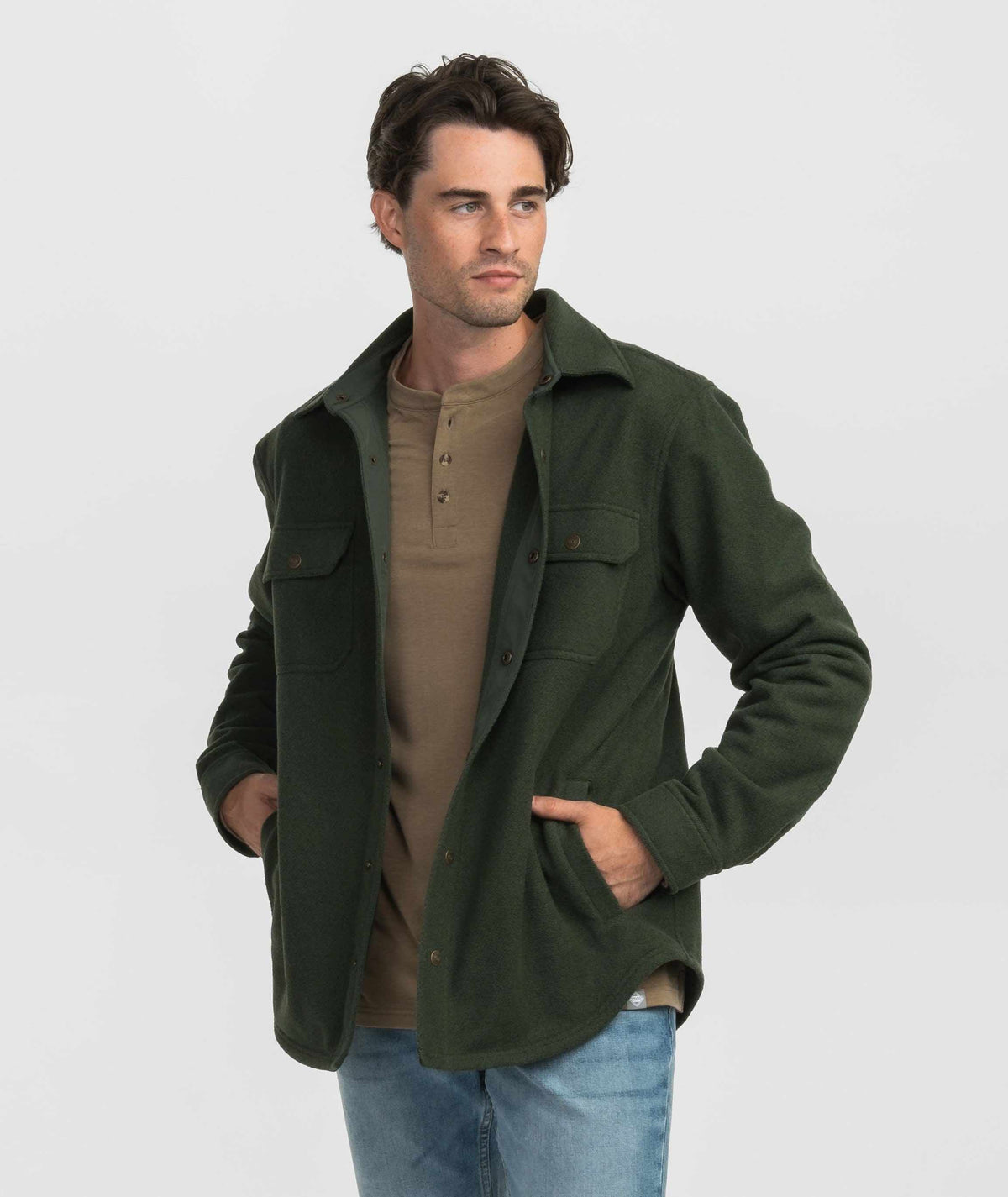
Data point: Lightweight jackets and vests can provide practical warmth for mild winter conditions without the bulk of heavy cold-weather coats.
Winter outerwear does not have to mean a heavy parka or thick insulated coat. For men living in warmer regions, lightweight jackets and vests can provide the right balance of warmth, comfort, and flexibility.
Mild winter conditions often involve cool mornings, moderate afternoons, and changing temperatures throughout the day. This makes adaptable outerwear particularly useful.
The best men's outerwear for mild winter weather should be easy to layer, comfortable enough for everyday use, and versatile enough to work with casual and active wardrobes.
Why Lightweight Outerwear Works for Mild Winters
Heavy winter coats are designed for sustained exposure to very cold temperatures. In a mild winter climate, that level of insulation may not be necessary.
Lightweight outerwear provides another option.
A lightweight jacket or vest can be added over a sweater, henley, polo, or long-sleeve shirt when extra warmth is needed.
When temperatures rise, the outer layer can be removed without requiring a complete change of clothing.
This flexibility makes lightweight outerwear particularly useful for Southern wardrobes.
What to Look for in Men's Mild-Winter Outerwear
Before selecting a jacket or vest, consider:
-
Weight
-
Layering ability
-
Fabric
-
Fit
-
Weather resistance
-
Breathability
-
Versatility
-
Storage options
A good outer layer should complement the rest of your wardrobe instead of functioning as a standalone seasonal piece.
For the primary outerwear options, explore the men's outerwear collection.
Lightweight Jackets for Everyday Wear
A lightweight jacket can serve as the final layer over a T-shirt, henley, sweater, or button-down shirt.
For mild conditions, look for jackets that provide coverage without excessive insulation.
A simple jacket can work with:
-
Jeans
-
Chinos
-
Joggers
-
Casual trousers
-
Polos
-
Long-sleeve shirts
The more versatile the jacket, the more frequently it can be worn.
Vests as a Layering Option
A vest provides warmth around the torso while leaving the arms relatively unrestricted.
This makes it a useful option for active days and transitional weather.
A vest can be worn over a long-sleeve shirt, henley, sweater, or polo.
Because the arms remain uncovered, vests can also be comfortable when you want additional core warmth without the full coverage of a jacket.
For mild winters, this can make a vest a practical addition to a layered wardrobe.
Jacket vs. Vest
Both options have different advantages.
|
Feature |
Lightweight Jacket |
Vest |
|---|---|---|
|
Arm coverage |
Full |
None |
|
Core warmth |
Good |
Good |
|
Mobility |
Good |
Excellent |
|
Layering |
Versatile |
Highly versatile |
|
Mild weather |
Excellent |
Excellent |
|
Active use |
Good |
Excellent |
A jacket may be preferable when you want complete upper-body coverage.
A vest may be more suitable when you want additional core warmth while maintaining freedom of movement.
Layer a Jacket Over a Sweater
One of the easiest mild-winter combinations is a lightweight jacket over a sweater.
The sweater provides the middle layer while the jacket adds protection from cooler outdoor conditions.
This combination works particularly well when temperatures are too cool for a sweater alone but not cold enough for heavy outerwear.
A crewneck sweater can provide a clean foundation underneath the jacket.
For additional sweater options, explore the men's sweater collection.
Layer a Vest Over a Sweater
A vest can also be worn over a sweater.
This combination provides warmth around the torso while allowing the sweater sleeves to remain visible.
For a balanced appearance, choose complementary colors.
A neutral vest can work with several sweater colors, making it a practical choice for a capsule-style winter wardrobe.
Jacket Over a Button-Down Shirt
A lightweight jacket can also be paired directly with a button-down shirt.
This is a useful combination when a sweater would provide more warmth than necessary.
A button-down creates a structured base, while the jacket provides the outer layer.
Explore men's button-down shirts for options that can work underneath lightweight outerwear.
This combination can be particularly useful when you want a casual outfit with a more polished appearance.
Jacket Over a Henley
A henley makes a practical base layer underneath a lightweight jacket.
The neckline adds detail while keeping the outfit casual.
For colder mornings, you can add a sweater or additional mid layer between the henley and jacket.
This creates a flexible system that can be adjusted according to temperature.
Outerwear With Joggers
Outerwear does not have to be paired only with jeans.
A lightweight jacket or vest can work well with joggers for a comfortable casual outfit.
The combination is especially useful for travel, weekends, and relaxed activities.
Explore men's joggers for additional options.
To maintain balance, consider pairing relaxed joggers with a jacket that has a relatively clean silhouette.
Fleece as a Lightweight Layer
Fleece can provide warmth without the weight associated with some heavy winter garments.
A fleece jacket can function as a mid layer or outer layer depending on the weather and the garment's construction.
For an additional fleece option, consider the Retro Snap Fleece Jacket.
Fleece can be particularly useful for cool mornings because it provides insulation while remaining relatively easy to layer.
Fleece Shackets for Transitional Weather
A fleece shacket combines characteristics of a shirt and jacket.
This makes it useful when a standard shirt is not warm enough but a traditional jacket feels excessive.
The Broadway Fleece Shacket can be considered as another layering option for transitional conditions.
A fleece shacket can be worn over a T-shirt, henley, or long-sleeve shirt.
How to Layer Outerwear Without Bulk
The key to comfortable layering is using progressively larger layers.
Start with a lightweight base layer.
Add a sweater or other mid layer.
Finish with a jacket or vest that provides enough room for everything underneath.
Avoid choosing an outer layer that fits tightly over your sweater.
At the same time, excessive room can make the outfit feel bulky.
The outer layer should allow movement while maintaining a clean shape.
Choose Versatile Outerwear Colors
Neutral outerwear is usually easier to style.
Consider colors such as:
-
Navy
-
Black
-
Gray
-
Olive
-
Brown
-
Tan
These colors can work with jeans, chinos, joggers, sweaters, and casual shirts.
A neutral jacket can also be worn frequently without making your wardrobe feel repetitive.
Outerwear for Changing Temperatures
One of the biggest benefits of lightweight outerwear is adaptability.
A mild winter day may begin with cool temperatures and become noticeably warmer later.
A jacket or vest allows you to add warmth in the morning and remove the layer when conditions become more comfortable.
This is why flexible outerwear can be more useful than a single heavy winter coat in warmer climates.
Outerwear for Travel
Travel often involves changing indoor and outdoor temperatures.
A lightweight jacket or vest can make it easier to adjust your outfit without carrying a heavy coat.
Choose outerwear that works with multiple base layers.
For example, the same jacket can be worn over:
-
A T-shirt
-
Henley
-
Polo
-
Button-down
-
Lightweight sweater
This makes the piece more useful when packing.
Southern Style and Mild-Winter Outerwear
Outerwear should complement the relaxed nature of Southern men's fashion.
For a broader selection of Southern-inspired clothing, explore the men's collection.
A lightweight jacket or vest can add a seasonal layer without changing the overall casual character of the outfit.
Instead of focusing on extreme winter protection, prioritize comfort, versatility, and easy layering.
Build a Simple Mild-Winter Outerwear System
A practical wardrobe does not need a large number of jackets.
Consider starting with:
One lightweight jacket + one vest + one fleece layer
These three categories can cover a wide range of mild winter conditions.
The jacket provides full coverage.
The vest adds core warmth while preserving arm mobility.
The fleece layer provides additional insulation when temperatures drop.
Each piece can also be combined with shirts and sweaters already in your wardrobe.
Outerwear and Performance Clothing
Men who spend time outdoors or prefer active clothing can combine lightweight outerwear with performance polos and other flexible layers.
Explore men's performance polos for shirts that can work beneath jackets and vests.
The combination of a performance-oriented base layer and lightweight outerwear can provide flexibility during changing conditions.
Frequently Asked Questions
1. What is the best men's outerwear for a mild winter?
Lightweight jackets, vests, fleece jackets, and shackets are practical choices for mild winters. They provide additional warmth without the bulk of heavy cold-weather coats.
2. Is a vest warm enough for winter?
A vest can provide useful core warmth, especially when layered over a sweater or long-sleeve shirt. However, it does not provide arm coverage, so its suitability depends on the temperature and conditions.
3. Should men wear a sweater under a jacket?
Yes. A lightweight jacket can be worn over a sweater when additional warmth is needed. Choose an outer layer with enough room to accommodate the sweater comfortably.
4. Are fleece jackets good for mild winter weather?
Yes. Fleece can provide warmth while remaining relatively lightweight. It can function as either a mid layer or outer layer depending on the conditions.
5. What should men wear under a lightweight winter jacket?
T-shirts, henleys, polos, button-down shirts, long-sleeve shirts, and lightweight sweaters can all work under a lightweight jacket. The best choice depends on the temperature and desired level of warmth.
Conclusion
The best men's outerwear for mild winters focuses on flexibility rather than maximum insulation. Lightweight jackets, vests, fleece layers, and shackets can provide enough warmth for cool conditions while remaining comfortable when temperatures become milder.
A lightweight jacket offers full upper-body coverage, while a vest provides core warmth and freedom of movement. Fleece can add another layer of insulation without requiring a heavy winter coat.
The most effective approach is to build a simple layering system. Start with a comfortable base layer, add a sweater or shirt when needed, and finish with lightweight outerwear. This allows you to adapt throughout the day while maintaining a comfortable and practical Southern winter wardrobe.
Share:
How to Style a Plaid Button-Down for Fall Tailgates
Best Men's Sweaters for a Southern Winter Wardrobe