


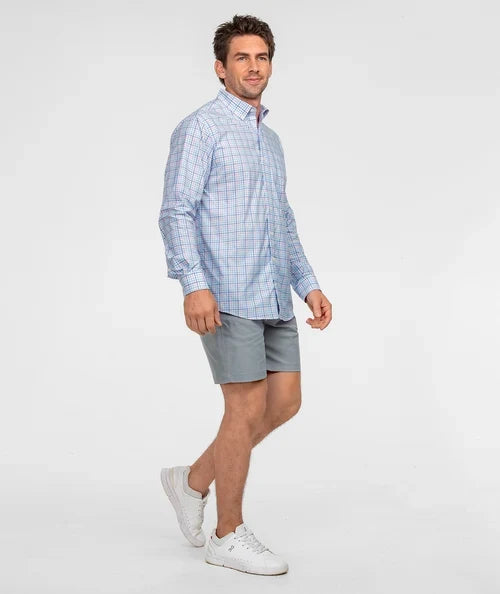
A great button-down shirt can instantly improve comfort, confidence, and overall style, but none of those benefits matter if the shirt does not fit properly. While many people rely on standard sizes such as small, medium, large, or extra-large, sizing can vary significantly between brands and even between different shirt collections from the same company. This is why understanding how to measure yourself accurately is one of the most valuable skills when shopping for clothing.
Accurate measurements help eliminate guesswork and allow you to compare your body dimensions directly with sizing charts. Whether you're purchasing shirts online or updating your wardrobe, knowing your measurements can help you find shirts that fit comfortably and look great.
If you're shopping for mens button down shirts, taking a few minutes to measure yourself can make a significant difference in choosing the right size and fit.
Why Proper Measurements Matter
Many people assume that finding the right shirt is simply a matter of choosing the size they usually wear. However, sizing labels alone rarely tell the complete story. One brand's large may fit differently from another brand's large, and certain shirt styles may be designed with slimmer or more relaxed proportions.
Proper measurements provide objective information about your body dimensions. Instead of relying solely on size labels, you can compare your measurements directly against a sizing chart and make a more informed decision.
Accurate measurements also help improve comfort. A shirt that fits properly allows natural movement without feeling restrictive. It sits correctly across the shoulders, chest, and sleeves while maintaining a clean appearance. By understanding your measurements, you increase the likelihood of finding shirts that feel comfortable from the moment you put them on.
The Tools You'll Need Before Measuring
Measuring yourself does not require specialized equipment. In fact, most people already have everything they need at home.
The most important tool is a flexible measuring tape. Unlike a rigid ruler or construction tape measure, a flexible tape can follow the natural contours of the body and provide more accurate results.
A mirror can also be helpful because it allows you to verify that the measuring tape remains level and properly positioned. Wearing a fitted undershirt or lightweight clothing can improve accuracy by reducing the influence of bulky layers.
Finally, keep a notebook or smartphone nearby so you can record each measurement as you go. Having these measurements readily available makes future shopping much easier.
Understanding the Key Measurements for a Button-Down Shirt
A button-down shirt consists of several components that must work together to create a comfortable fit. As a result, multiple body measurements contribute to sizing decisions.
The most important measurements typically include:
-
Neck
-
Chest
-
Shoulders
-
Sleeve length
-
Waist
-
Shirt length
Each of these measurements affects a different aspect of the shirt's fit. Understanding how they work together helps create a more complete picture of your sizing needs.
How to Measure Your Neck Correctly
The neck measurement determines how comfortably the collar fits when buttoned. A collar that is too tight can feel restrictive, while a collar that is too loose may appear oversized.
To measure your neck, wrap the measuring tape around the base of your neck where a shirt collar naturally sits. The tape should rest comfortably against your skin without being pulled tightly. It is generally helpful to leave enough room for a comfortable fit rather than measuring as tightly as possible.
Take the measurement while standing naturally and looking straight ahead. Once you have recorded the number, you can use it as a reference when comparing shirt sizing information.
A properly fitted collar contributes significantly to overall comfort and creates a cleaner appearance throughout the shirt.
How to Measure Your Chest
The chest measurement is often considered the most important measurement when selecting a button-down shirt because it largely determines how the shirt fits across the torso.
To measure your chest, wrap the measuring tape around the fullest part of your chest while keeping the tape level across your back. Your arms should remain relaxed at your sides, and your posture should be natural.
Avoid expanding your chest or holding your breath during the measurement process. Doing so may result in a number that does not accurately represent your normal body dimensions.
A properly measured chest helps ensure that the shirt provides enough room for comfort while avoiding excessive looseness or tightness.
Measuring Shoulder Width
Shoulder fit is one of the most visible indicators of whether a shirt fits correctly. When shoulder seams align properly, the shirt generally drapes more naturally and feels more comfortable.
To measure shoulder width, locate the outer edge of one shoulder and measure straight across the upper back to the outer edge of the opposite shoulder. It can be helpful to use a mirror or ask for assistance to ensure accuracy.
A shirt with shoulders that fit properly allows greater freedom of movement and contributes to a cleaner overall appearance. If the shoulder seams extend too far beyond the shoulders or pull inward, the shirt may not fit as intended.
How to Measure Sleeve Length
Sleeve length plays an important role in both comfort and style. Sleeves that are too short can feel restrictive, while sleeves that are too long may create an unbalanced appearance.
To measure sleeve length, begin at the center back of your neck. Run the measuring tape across your shoulder and down the outside of your arm until you reach your wrist.
Keeping your arm slightly bent can help produce a more realistic measurement because it reflects natural movement. Once recorded, this measurement can help determine whether a shirt's sleeves will provide the proper amount of coverage.
Proper sleeve length helps ensure that the shirt looks balanced while allowing comfortable arm movement throughout the day.
Measuring Your Waist
Although waist measurements are often associated with pants, they can also provide valuable information when selecting button-down shirts.
Wrap the measuring tape around your natural waistline while standing comfortably. The tape should remain level and should not be pulled tightly.
This measurement becomes particularly useful when comparing slim-fit, classic-fit, and relaxed-fit shirts. Some fits provide more room through the waist than others, and understanding your waist measurement can help identify which style may feel most comfortable.
A balanced fit through the waist contributes to both comfort and overall appearance.
How to Measure Shirt Length
Shirt length affects how the garment looks when worn and how much coverage it provides.
To measure shirt length, place the beginning of the measuring tape at the highest point of the shoulder near the collar. Measure straight down to the desired hem location.
This measurement can help determine whether a shirt will work well tucked in, untucked, or both. Shirt length preferences vary, but understanding your ideal length can make it easier to evaluate sizing charts and product specifications.
A properly proportioned shirt length contributes to a balanced and polished appearance.
Understanding Different Shirt Fits
Measurements provide valuable information, but they work best when combined with an understanding of shirt fit categories.
Slim-fit shirts are designed with a closer silhouette and less extra fabric through the chest and waist. They create a streamlined appearance while maintaining mobility.
Classic-fit shirts offer a balance between comfort and structure. They provide additional room without appearing excessively loose and are often considered the most versatile option.
Relaxed-fit shirts prioritize comfort and freedom of movement. They feature more generous proportions throughout the garment and create a more casual appearance.
Knowing your measurements helps determine which fit category is most likely to align with your preferences.
Common Measuring Mistakes to Avoid
Even small measuring errors can affect sizing accuracy. One of the most common mistakes is measuring over bulky clothing. Thick layers can add unnecessary inches and lead to inaccurate results.
Another mistake is pulling the measuring tape too tightly. While it may seem logical to keep the tape snug, overly tight measurements often result in selecting shirts that feel restrictive.
Poor posture can also affect accuracy. Standing naturally and maintaining relaxed shoulders typically produces the most reliable measurements.
Finally, some shoppers only measure one area, such as the chest, and ignore other dimensions. A complete set of measurements provides a more accurate understanding of sizing needs and helps improve overall fit.
Using Measurements When Shopping Online
Online shopping offers convenience and access to a wide variety of styles, but it also makes sizing more challenging. Without the ability to try on a shirt before purchasing, measurements become even more important.
Most brands provide sizing charts that include chest, neck, sleeve, and other garment dimensions. Comparing your measurements directly to these charts can significantly improve your chances of selecting the correct size.
Rather than focusing solely on the size label, pay attention to the actual measurements provided. This approach often results in more accurate sizing decisions and greater satisfaction with your purchase.
Building a Better-Fitting Wardrobe
Understanding your measurements does more than help you purchase a single shirt. It creates a foundation for building an entire wardrobe of properly fitting clothing.
A well-fitting button-down shirt can pair effortlessly with mens shorts for warm-weather outfits or complement other pieces within a broader southern mens clothing collection.
Once you know your measurements, future shopping becomes easier and more efficient. You can evaluate sizing information quickly and identify products that are likely to fit well before making a purchase.
Over time, this knowledge helps create a wardrobe filled with comfortable, versatile pieces that align with your personal preferences.
FAQs
1. What is the most important measurement for a button-down shirt?
The chest measurement is generally the most important because it determines how the shirt fits across the torso. However, neck, shoulder, and sleeve measurements also play significant roles.
2. Should I measure myself over clothing?
It is best to measure over lightweight clothing or a fitted undershirt. Bulky garments can affect accuracy and result in incorrect measurements.
3. How often should I update my measurements?
Checking your measurements once or twice per year is usually sufficient. You should also remeasure if your weight or body composition changes significantly.
4. Why is shoulder width important?
Shoulder width affects how naturally a shirt sits on the body. Proper shoulder alignment contributes to comfort, mobility, and overall appearance.
5. Can I use a shirt I already own for measurements?
Yes. Measuring a shirt that fits well can provide useful reference points when comparing sizing charts and garment dimensions.
Conclusion
Learning how to measure yourself for the perfect button-down shirt is one of the simplest yet most effective ways to improve fit, comfort, and confidence. By accurately measuring your neck, chest, shoulders, sleeves, waist, and shirt length, you gain valuable information that helps you navigate sizing charts and make better purchasing decisions. Rather than relying solely on standard size labels, measurements provide a more precise approach to finding shirts that fit your body and personal preferences. Whether you're shopping for your next favorite button-down or building a complete wardrobe, accurate measurements are the foundation of a better fit and a more enjoyable shopping experience.
Share:
Button-Down Shirts as Gifts: A Southern-Style Gift Guide
Men's Button-Down Fit Guide: Slim, Classic, and Relaxed Explained